RV Extended Warranties: I Went Shopping Again
When we purchased our RV in 2020, we also purchased an extended warranty through Good Sam. Thankfully, we never needed to use it, and the warranty expired last year.
When it was getting ready to expire, I remember being inundated with offers to purchase another extended warranty. I looked into it at the time, but the cost seemed pretty high. Since we haven’t had many problems with our RV and I handle most of the maintenance and minor repairs myself, we decided to take our chances without one.
Recently, the extended warranty ads started showing up again, so I thought I would take another look and see what is available and what it costs.
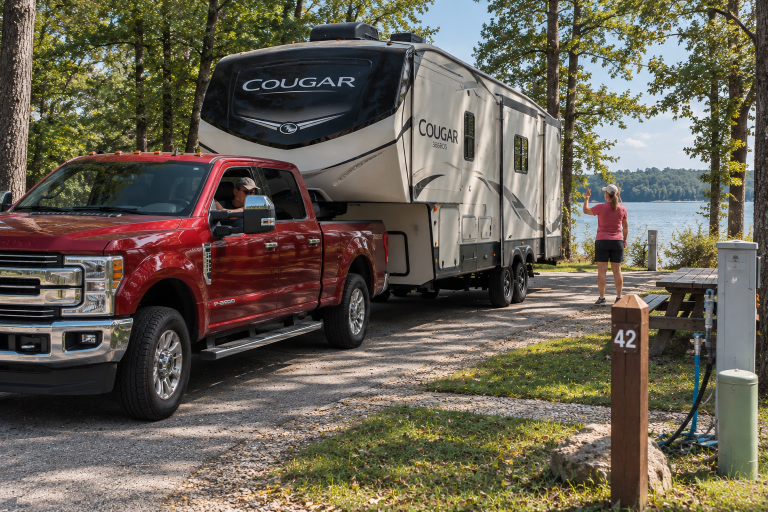
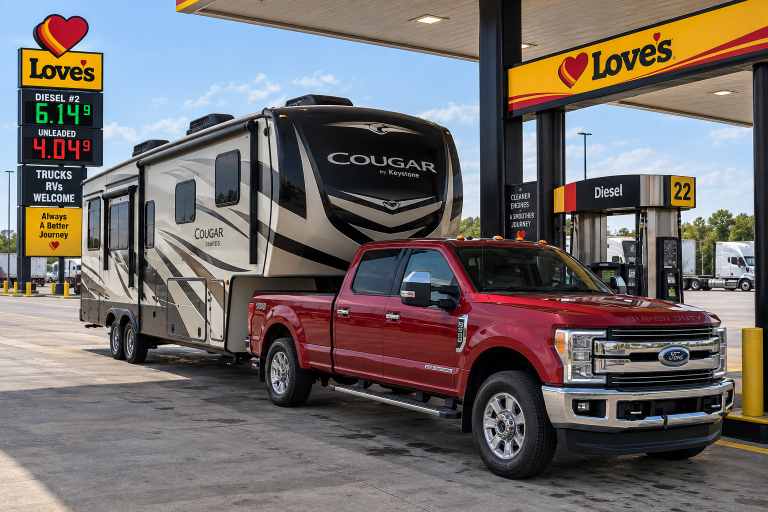
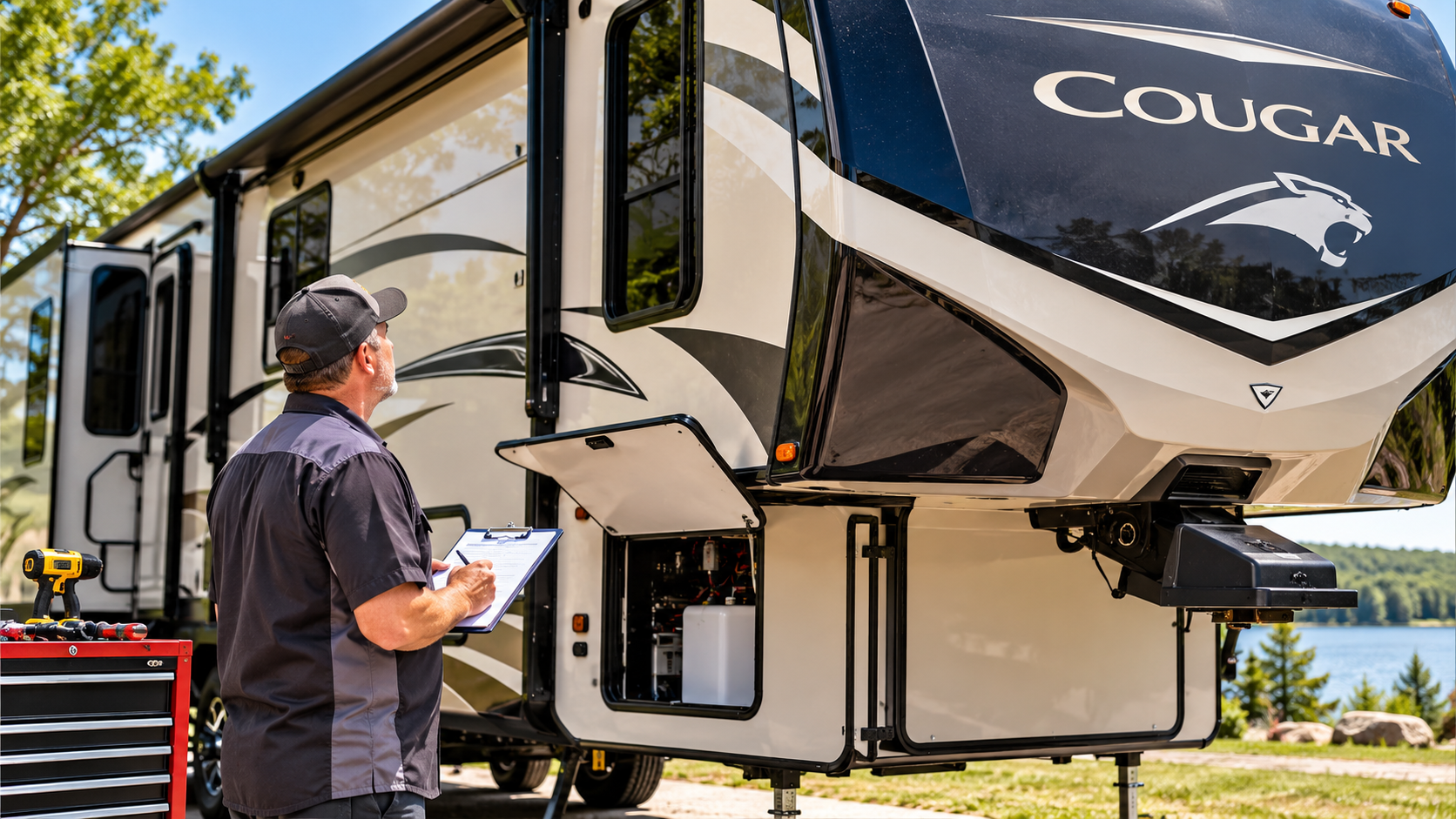
For reference, all of the quotes I requested were based on our 2020 Keystone Cougar fifth wheel, approximately 40 feet long. Your price could be considerably different depending on the age, type, size, and value of your RV, as well as the coverage and deductible you choose.
How I Compared Them
I started by checking several consumer websites to see which RV extended warranty companies were commonly recommended. There was quite a bit of agreement among them, and the companies I eventually checked were consistently among those mentioned.
I then went as far as I could through each company’s online quote process.
One important point: I did not speak with a salesperson from any of these companies. I submitted the online requests and reviewed the quotes, emails, texts, and information they provided in response.
My goal wasn’t to pick apart every detail of every contract. I wanted to see how much information I could get before talking with a sales rep and whether there was enough information to decide which company I would contact if I were actually going to purchase a plan.
Here’s what I found.
America’s RV Warranty
America’s RV Warranty provided a quote for a five-year plan with several payment options. The least expensive option was paying the entire premium upfront at approximately $3,658. Annual and monthly payment options were also available, with financing offered.
They have two coverage levels: Silver and Gold.
The Silver plan covers specified components, but I wasn’t able to find a complete list of those components without speaking with a salesperson. The Silver option I was shown was for one year at approximately $445.
The Gold plan was the five-year option at approximately $3,658 when paid in full. According to the information I received, it covers factory-installed components and also includes entertainment equipment, jacks, and slides.
Trip interruption coverage is included, and tire coverage can be added at an additional cost.
One thing I couldn’t determine from the information provided was the deductible. That would certainly be one of my first questions before considering the plan.
Good Sam Extended Service Plan
Good Sam was familiar territory because that’s where we purchased our original extended coverage.
The online quote I received was for a one-year plan. With a $1,000 deductible, the price was approximately $445 per year.
The deductible can be adjusted. Dropping it to $100, however, increased the annual cost to more than $1,650.
That’s a pretty dramatic example of how much the deductible can affect the price of one of these plans.
I wasn’t able to find enough detailed information online about exactly what was covered without taking the next step and talking with a representative.
Wholesale Warranties
Of the companies I researched, Wholesale Warranties provided the best information online without requiring me to speak with a sales representative.
Their website did a better job of explaining the different levels of coverage, exclusions, and deductible options. More importantly, I could actually see detailed information about what was covered and review a sample warranty contract.
They offered both four-year and five-year options.
For comparison with the other quotes, the five-year plan with a $200 deductible was approximately $3,085 when paid in full. A payment plan was also available at a slightly higher total cost.
Whether their coverage would ultimately be the best choice would require digging deeper into the actual contract. But purely from a consumer-shopping standpoint, I appreciated being able to see considerably more information before having to talk with a salesperson.
Progressive
I was a little frustrated with Progressive.
Their online process asked the most questions about both me and the RV. After going through everything, however, the quote I received was for RV insurance rather than an extended warranty.
Thinking I had done something wrong, I started the process a second time and ended up with the same result.
At that point, I stopped. Based strictly on my experience trying to obtain an online extended warranty quote, Progressive would be off my list.
Read the Fine Print
This is probably the most important part of shopping for any extended warranty.
Read the actual contract before you buy it.
Don’t rely only on a list of covered items on a website or what a salesperson tells you over the phone. Find out what is excluded, what maintenance records are required, what the deductible applies to, whether there are limits on labor rates, and what approval is required before repairs are made.
This can be particularly important if you’ve performed maintenance or repairs yourself or have made modifications to your RV. You need to know whether any of those things could affect future coverage.
I’ve seen plenty of discussions on RV social media from owners who were frustrated when an extended warranty company denied a repair they expected to be covered. Exclusions and disagreements over what is covered seem to be among the most common complaints.
That doesn’t necessarily mean the warranty company was wrong. It does mean you need to understand exactly what you’re buying before you need to file a claim.
Is an RV Extended Warranty Worth It?
I don’t think there is one answer that applies to everyone.
For some RV owners, an extended warranty could provide valuable protection and peace of mind, particularly if a major unexpected repair would create a financial hardship.
For others, putting the money that would have been spent on the warranty into a repair fund may make more sense.
A lot depends on your budget, how frequently you use your RV, the age and condition of the rig, and your ability and willingness to handle maintenance and repairs yourself.
In our case, we’ve been fortunate. Our Cougar has been reliable, I do much of the maintenance and smaller repairs myself, and the cost of the coverage is high enough that we’ve decided to take our chances without an extended warranty.
That doesn’t mean it’s the right decision for everyone.
It just means that, after taking another look at what’s available and what it costs, it’s still the right decision for us.
Enjoy Rick's Ramblings?
If you found this post helpful or interesting, subscribe to receive an email when new posts are published.