Red-Dyed Diesel: Federal Restrictions Eased, but Check Your State Laws
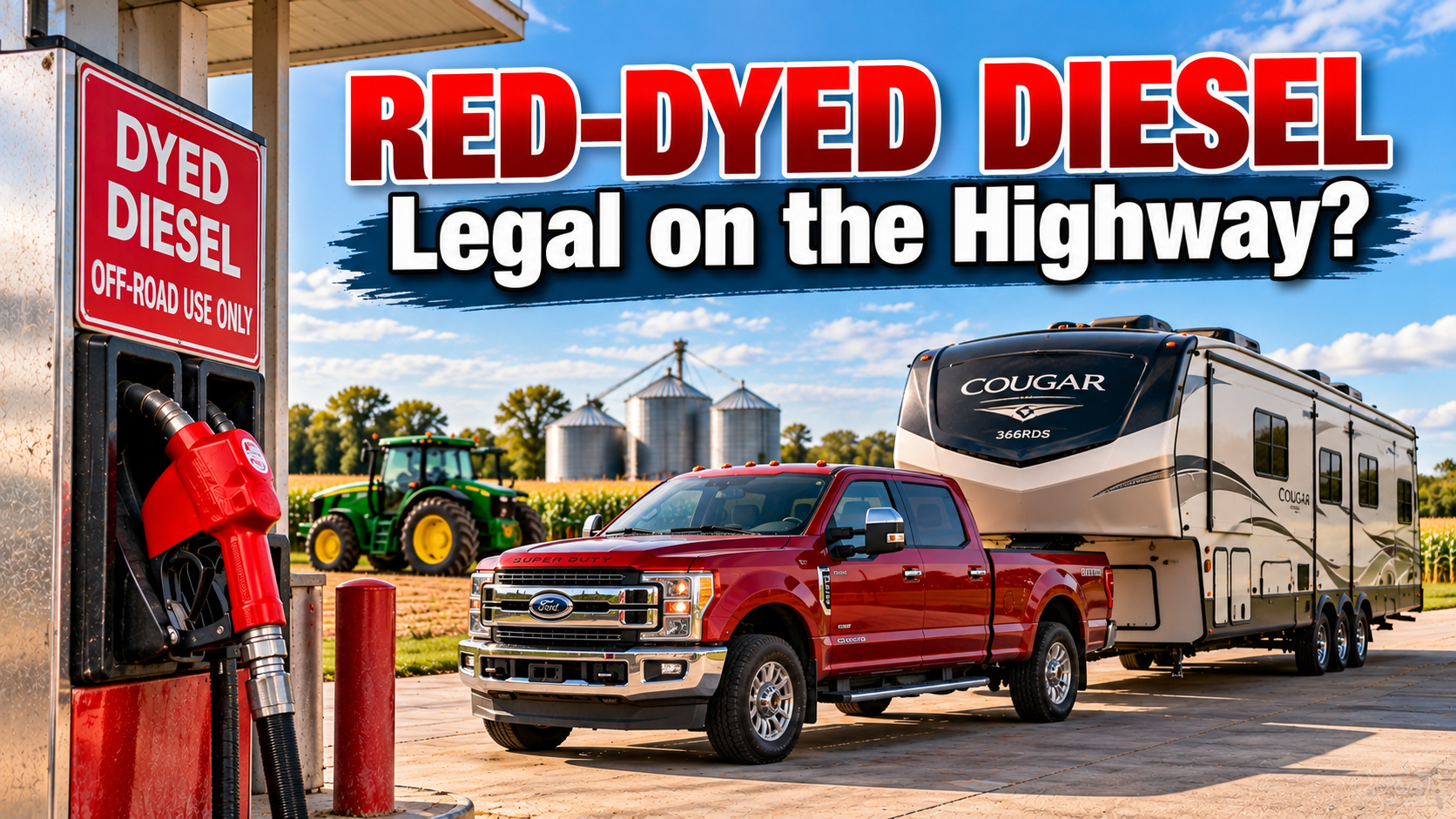
The federal government has temporarily suspended certain federal penalties for using red-dyed diesel fuel in vehicles traveling on public highways through 12/31/2026. However, before anyone considers taking advantage of this temporary change, there are a few important things to understand.
Red dye is added to diesel fuel to identify fuel that generally has not been subject to the same highway fuel taxes as regular on-road diesel. It is typically intended for agricultural equipment, construction machinery, and other approved off-road uses.
In my travels, I’ve only encountered a handful of fuel stations selling red-dyed diesel. Those stations are generally located in rural farming communities rather than at major petroleum chains.
Most farmers have their own fuel storage tanks and receive deliveries directly from fuel suppliers. After all, when was the last time you saw a John Deere tractor pull up alongside your truck at the local gas station?
A Warning for Drivers and RV Owners
Although the federal government has temporarily suspended certain penalties for using dyed diesel on public highways, that does not automatically make it legal under state law.
Minnesota’s restrictions, my home state, on dyed diesel remain in effect. Using it illegally in a licensed vehicle on public roads can result in a penalty of $1,000 or $10 per gallon, whichever is greater, with potentially higher penalties for repeat violations.
There’s another consideration worth remembering. Red dye can remain detectable in a vehicle’s fuel system even after the tank has been refilled with regular diesel.
And for those of us driving newer diesel pickups or motorhomes, there’s an additional concern: fuel must still meet the ultra-low-sulfur diesel (ULSD) requirements of the vehicle’s emissions system. A temporary waiver of fuel-tax penalties does not necessarily mean every type of dyed diesel is suitable for a modern diesel engine.
My Take
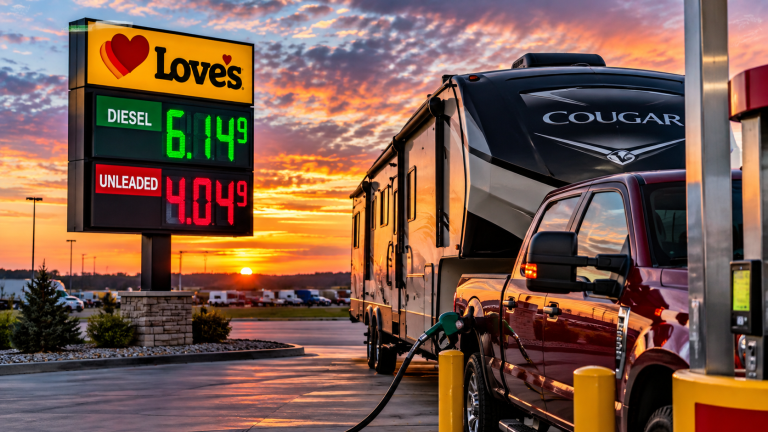
With diesel prices remaining stubbornly high, I understand why some drivers might be tempted to look for less expensive alternatives. But saving a few dollars at the pump isn’t worth risking a substantial fine or potentially damaging an expensive diesel emissions system.
A search on the Interenet revealed that restrictions may have been eased by some states as well:
- Alabama
- Arkansas (through October 30, 2026, for specific commercial/agricultural vehicle classes)
- Idaho (suspended dyed diesel inspections)
- Indiana (for farm trucks operated on public roads)
- Louisiana
- Michigan (for agriculture and logging equipment on highways)
- Missouri (extended through December 31, 2026)
- Montana (for commercial vehicles engaged in agriculture and logging)
- Nebraska
- North Carolina
- North Dakota
- Oklahoma
- Texas (via a statewide disaster proclamation for agriculture and freight)
As always, check the laws in the state where you’re purchasing and using the fuel before assuming a federal exemption applies to you.
Enjoy Rick's Ramblings?
If you found this post helpful or interesting, subscribe to receive an email when new posts are published.