Do RVs Have to Stop at Weigh Stations? A State-by-State Guide
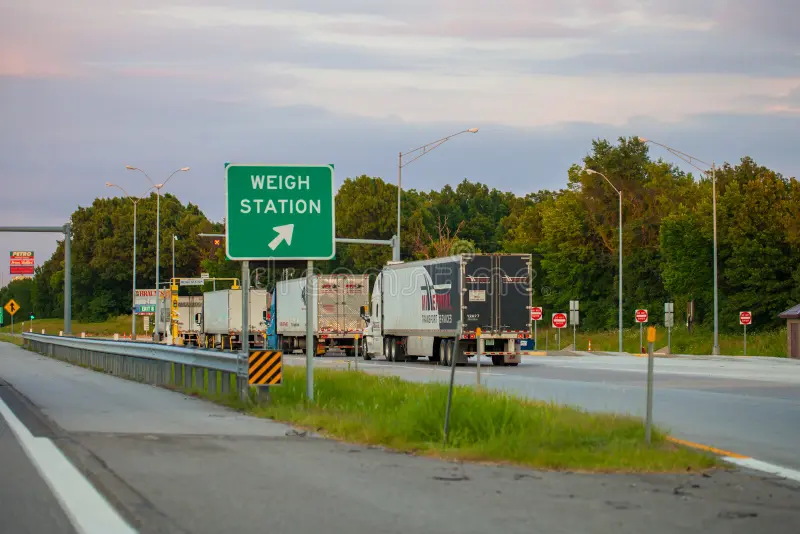
If you’ve ever approached a weigh station while towing your RV, you’ve probably wondered whether you should pull in or keep driving. The answer isn’t as simple as many people think. While most privately owned RVs are not treated as commercial vehicles, a handful of states have laws or signage that can require certain RVs to enter open weigh stations.
Before your next trip, here’s what you should know.
The General Rule
For most RVers traveling for personal recreation:
- If the sign says Commercial Vehicles or Commercial Trucks, you normally continue past.
- If the sign specifically describes your vehicle by weight, you should enter.
- If a law enforcement officer directs you into the weigh station, always comply.
States That Deserve Extra Attention
If your travels take you through these states, pay close attention to the weigh station signs:
- Georgia
- Iowa
- Maine
- Maryland
- Minnesota
- Montana
Each of these states has wording that may apply to larger pickup-and-RV combinations.
Don’t Believe Everything You Read Online
Many websites repeat the same outdated information about RV weigh station laws. Rather than relying on internet rumors, always read the signs as you approach the weigh station and, when in doubt, follow the posted instructions.
Download the Complete State Guide
For quick reference while planning your travels, I’ve put together a printable guide showing the general weigh station requirements for all 50 states.
Download RV Weigh Station Guide
If we approach a weigh station and, based on the signage, are not sure if we should stop we pull in. It’s happened three times, and each time we were given a green light to proceed or waved through. When in doubt, pull in, they will wave you through if your not required to stop.
Update: October 2026 Update
Update
I continue to see articles about RV towing rules and regulations, including lists of states that restrict certain RV combinations. These often focus on triple towing or larger rigs.
What it boils down to is this: If you are triple towing or traveling with an unusually large rig, take the time to check the requirements directly with the appropriate agencies in each state along your route. Make your travel plans an informed decision rather than relying on an online list.
I have talked with RVers who knowingly disregard triple towing restrictions because their home state allows their setup. They say they will chance the ticket, inconvenience, and potential trip disruption. That is their choice, but permission at home should not be treated as permission everywhere.
Recognition of your driver’s license is a separate issue from whether your towing combination is permitted. Before you go, confirm that your setup meets the applicable equipment, length, weight, and towing restrictions along your route. Finding out before the trip is a lot easier than dealing with it on the roadside.
Enjoy Rick's Ramblings?
If you found this post helpful or interesting, subscribe to receive an email when new posts are published.