Time to Winterize is Coming
As the temperatures begin to cool, I’ve noticed more and more questions about winterizing RVs showing up in the online groups I follow. It happens every fall as camping season starts winding down for those of us who live in northern climates.
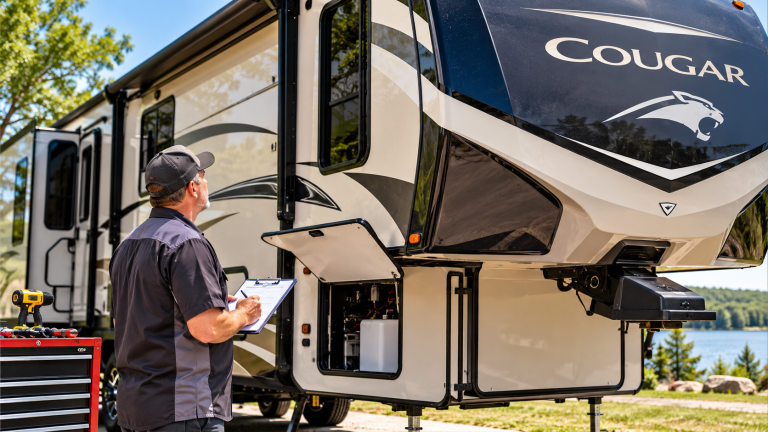
The easiest option is to have a dealership or RV service center winterize your rig. Depending on where you live and the services being performed, the cost can range from $150 to $500 or more.
If you choose to have someone else do the work, ask exactly what their service includes. Make sure you understand whether they guarantee their work and what happens if a problem shows up in the spring. A reputable shop should be happy to explain their process and stand behind it.
The good news is that winterizing an RV is something many owners can do themselves.
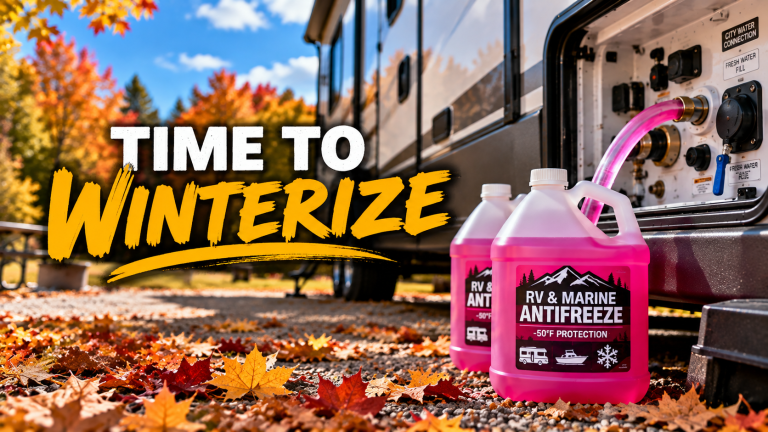
It doesn’t require a garage full of tools or years of experience. On our fifth wheel, the process only takes a couple of hours using a few basic tools, several gallons of RV antifreeze, and, if you have one, an air compressor with the proper adapter to blow out the water lines.
I’ve written a detailed step-by-step guide showing exactly how I winterize our RV. Every rig is a little different, so be sure to check your owner’s manual and understand your particular plumbing system before getting started.
We still have a couple of short trips planned to enjoy Minnesota’s fall colors and get in a little e-bike riding before we call it a season. Then it will be time to clean the trailer, take care of any maintenance items, and get it ready for winter storage.
I’ll admit, we’ll miss heading to Florida this winter. Last year was our first experience as snowbirds, and it was hard to beat spending the winter in warm weather while making new friends along the way.
The good news is that we’re already planning to head south again next winter.
If you’re staying home this winter, enjoy those last few camping trips before putting the RV away. Taking the time to clean it, complete any needed maintenance, and winterize it properly now will make spring much more enjoyable.
When the camping season returns, you’ll be ready to hitch up and hit the road instead of catching up on work that should have been done before storage.
Enjoy Rick's Ramblings?
If you found this post helpful or interesting, subscribe to receive an email when new posts are published.