Inspect Your Trailer
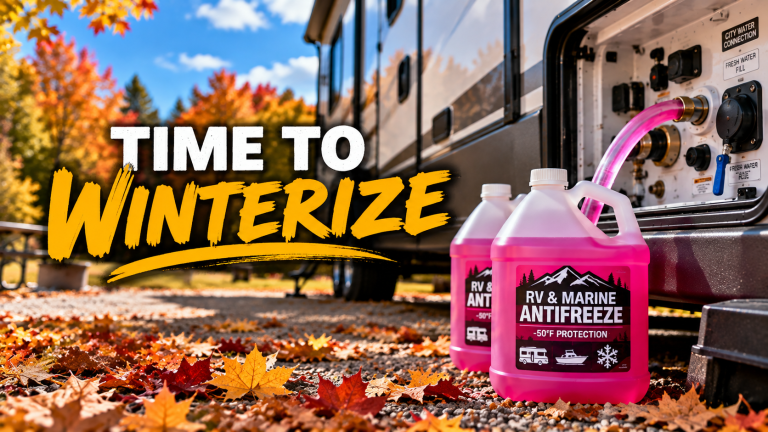
Since we decided to stay in Minnesota this winter instead of heading south, it was time to winterize the trailer once again.
For us, winterizing is more than just protecting the plumbing. It includes flushing the water system with RV antifreeze, removing anything that could freeze from the cabinets, giving the entire rig a thorough cleaning, inspecting the undercarriage, checking the tires and suspension, and finishing with a good wash and coat of wax.
One benefit of doing all of this ourselves is that we get to inspect every inch of the trailer. Along the way we usually find a few loose items, a small dent, or a minor repair that needs attention. Most are easy fixes if you catch them early.
This year we found something a little more concerning.
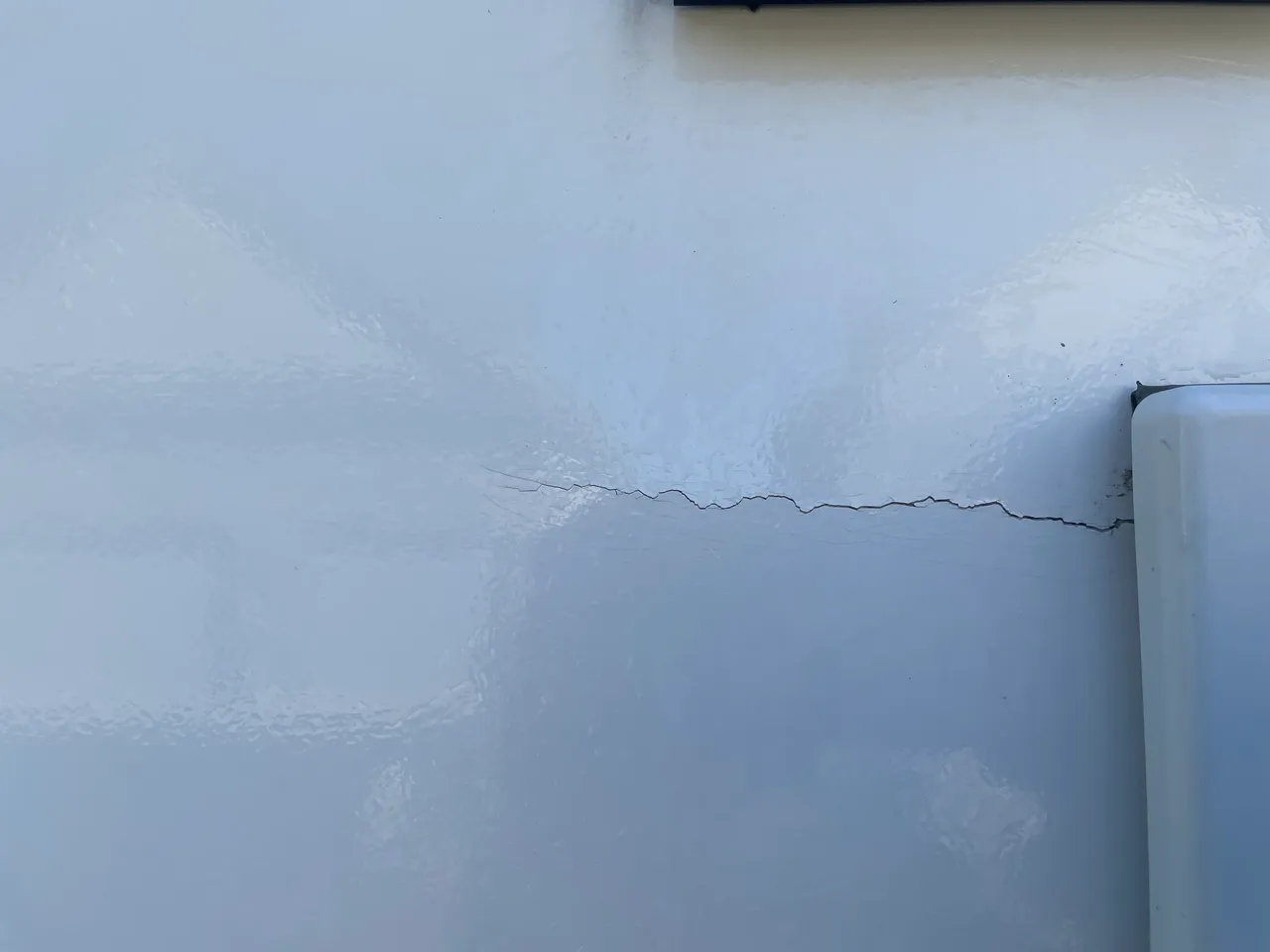
While hand drying the trailer after washing it, I discovered a crack in the fiberglass near one of the slide-outs. It’s only about four inches long, but it’s definitely something that needs to be repaired.
I know it’s a new crack because I thoroughly washed the trailer after our June trip and it wasn’t there then.
Unfortunately, the trailer is now out of warranty, so the repair will be our responsibility.
I’ve worked with fiberglass before, but cooler fall temperatures aren’t ideal for making a permanent repair. Most fiberglass products cure best in warmer weather, so unless we get an unexpected stretch of warm days, the repair will likely wait until spring.
In the meantime, my goal is to keep the crack from getting any worse.
I’ll drill a small stop hole at the end of the crack to help prevent it from spreading and cover the area with removable vinyl to keep moisture out until I can complete the repair properly. Since we also cover the trailer for the winter, I’m hopeful that will protect it until warmer weather arrives.
The bigger question is what caused the crack?
Like most RV owners, I started researching online. As expected, I found just about every possible explanation. Some people suggested it was simply normal flexing of the trailer over time. Others thought it might be related to the slide mechanism, while a few mentioned the possibility of a structural issue.
At this point, I don’t know the cause.
Before repairing it, I’ll spend some time inspecting both the slide mechanism and the surrounding structure to see if I can identify what started the crack. Fixing the crack without understanding why it happened could simply mean repairing it again later.
That’s really the point of this article.
Regular inspections are one of the best forms of preventive maintenance you can perform on an RV.
When you wash your own trailer, inspect the roof, or crawl underneath to look at the suspension and tires, you’re much more likely to notice small problems before they become expensive repairs.
Could someone you hire to wash your RV spot those same issues? Absolutely.
Will they always notice them or point them out? Maybe—but maybe not.
While we were in Florida last winter, I watched a couple of mobile RV washing crews at work. They did a nice job cleaning the trailers, but most of the work was done from the ground using long-handled brushes and extension wands. The crack I found wasn’t visible from ground level. I only noticed it because I was hand drying the side of the trailer after washing it.
Whether you do the work yourself or hire someone else, make inspection part of the process.
Ask the person doing the work to let you know if they notice anything unusual, and don’t hesitate to take a closer look yourself.
A few extra minutes spent inspecting your RV today can prevent a much larger repair tomorrow.
Enjoy Rick's Ramblings?
If you found this post helpful or interesting, subscribe to receive an email when new posts are published.