Should You Cover Your RV for Winter? Here’s Why We Cover Ours.
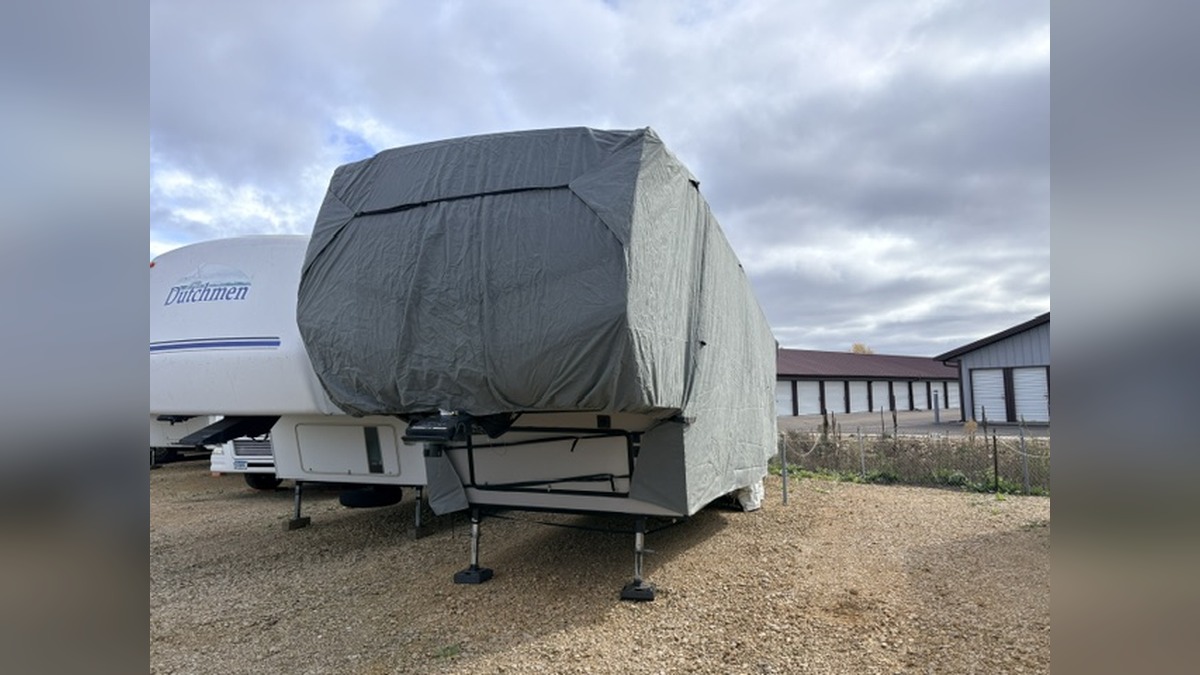
Well, Casa Roll, our fifth wheel, has officially been put to bed for the upcoming winter. We put the cover on her, and our 2026 camping season is now officially over.
Covering an RV during storage is always an interesting topic of discussion. There are plenty of people who think it’s one of the worst things you can do to an RV. Others, like us, see the benefits every spring when we take the cover off.
Preparation is the key.
Before covering our rig, we wash and wax it thoroughly. I also go over the entire camper, checking the caulking, tightening any loose screws, and taking care of anything else that needs attention. We always make sure the entire rig is dry before putting the cover on. There’s no sense trapping moisture underneath it.
The sun is brutal on anything left outside, even here in our cold northern climate. Constant exposure to UV rays can deteriorate roofing materials, sealants, and caulking. Over time, those materials can become brittle and more susceptible to cracking. A quality RV cover helps protect against that exposure and can extend the life of those materials.
Another benefit is keeping snow and ice off the roof and reducing the amount of water reaching seams and seals. If there are small cracks in the caulking, keeping moisture away can help prevent water intrusion and the damage that can result from repeated freezing and thawing. Of course, a cover is no substitute for properly maintaining your roof and seals.
Every spring, we uncover a clean camper. We’ve never noticed any scratching or other damage caused by the cover, and we haven’t experienced any water or ice damage while it’s been covered.
The quality of the cover makes a difference.
I’ve seen pictures of people using traditional blue tarps or coarse canvas materials to cover their RVs. Those materials can cause problems, particularly when the wind moves them around and they rub against the trailer. A poorly fitted cover can do the same thing.
Now, a little unsolicited and unsponsored endorsement of the cover we’ve been using.
We purchased ours through CarCover.com, a company that sells covers for cars, RVs, and boats. They offer covers designed to fit different types and sizes of RVs. I believe they have around ten RV styles and numerous sizes available.
They offer two levels of protection. The Silver Shield comes with a five-year warranty, while the heavier-duty Gold Shield comes with a lifetime warranty.
We purchased the Gold Shield for our approximately 40-foot fifth wheel. The total cost, including shipping, was around $650, with shipping accounting for about $90.
Here’s where I’ve been particularly impressed with the company.
Our fifth wheel has some very sharp lower rear corners. Over the winter, those corners have caused tears in the cover, eventually creating holes about the size of a football.
The first time this happened, I contacted customer service. They asked me to send pictures of the damage, which I did. After reviewing them, they offered to replace the cover at no cost other than shipping.
The shipping charge was the same as when I originally purchased the cover, so they weren’t inflating the shipping cost to recover the price of the replacement.
I’m now on our third new cover because those lower corners continue to be hard on the material.
Could I probably patch the damaged areas? Absolutely. I could also do a better job of padding those sharp corners before installing the cover. But each time I’ve contacted the company, they’ve reviewed the pictures and offered a replacement under the warranty.
I’ve been extremely pleased with their customer service and, more importantly, how they’ve honored their warranty. A lifetime warranty doesn’t mean much if a company won’t stand behind it. In our experience, this company has.
What about the arguments against covering an RV?
People who don’t like RV covers generally raise the same concerns. They say covers trap moisture, scratch the finish, are difficult to install, and can be damaged or blown off by the wind.
Those are legitimate concerns, especially with an inexpensive or poorly fitted cover.
Our cover is made with breathable material designed to allow moisture vapor to escape. That doesn’t mean moisture can never develop underneath it, which is another reason we make sure the camper is dry before covering it.
The cover also has a soft interior surface to help protect the finish. Combined with a clean camper and a properly secured cover, we’ve never experienced scratching.
As for installation, I won’t pretend it’s effortless. Putting a cover on a 40-foot fifth wheel takes some work. Ours has straps and zippered access panels that help us get it positioned and secured properly.
It generally takes Pat and me about 30 to 45 minutes to get the cover on and secured. And one thing we’ve learned is that you don’t try putting a cover on a 40-foot RV on a windy day!
Once installed, we make sure all the straps are snug and there isn’t excessive loose material that can flap around in the wind. We also check it periodically throughout the winter, particularly after strong winds or heavy snow.
Would we recommend covering an RV?
Absolutely, especially if it’s going to sit outside for an extended period.
But I would add a few qualifications. Buy a quality cover designed for your type of RV. Make sure the camper is clean and completely dry before covering it. Inspect and maintain the roof and seals, protect sharp corners, and take the time to secure the cover properly.
A cover isn’t going to make up for neglected maintenance, and a cheap tarp thrown over a camper could cause more problems than it prevents.
We’ve been covering Casa Roll every winter except the one we snowbirded, and for us, the results speak for themselves.
There’s something very satisfying about removing that cover in the spring and finding a camper that looks just as good as it did when we put it away in the fall.
And after a long Minnesota winter, seeing Casa Roll uncovered is one of the first signs that another camping season is finally getting close.
Enjoy Rick's Ramblings?
If you found this post helpful or interesting, subscribe to receive an email when new posts are published.