Thermal Detection
A New Tool for Preventive Maintenance
One of the things I enjoy about following RV groups on social media is that every once in a while someone posts something that makes me stop and think,
“I should be doing that.”
That happened recently when someone discussed using a thermal imaging gun to inspect the electrical system in their RV.
It got my attention.
My Current Routine
If you’ve followed this blog for a while, you know I’m a big believer in preventive maintenance and routine inspections.
Whenever we’re setting up or staying at a campground, I make it a habit to walk around the trailer looking for anything that doesn’t seem right.
I check for water leaks.
I inspect the tires.
I feel the electrical connections at both the campground pedestal and where the shore power cord connects to the trailer, looking for excessive heat.
I also check the cover over several electrical relays and switches in the front storage compartment by simply placing my hand on it.
So far, I’ve never found a problem.
But after reading that post, I started thinking there may be a better way.
Why a Thermal Imaging Gun?
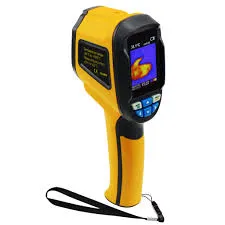
Instead of relying only on touch, a thermal imaging gun allows you to actually see temperature differences.
By checking electrical connections, breaker boxes, and other components periodically, I’ll get a good idea of what “normal” temperatures look like.
If one connection suddenly starts running noticeably hotter than the others, I’ll know it’s time to investigate before it becomes a bigger problem.
There’s another area of our fifth wheel that interests me as well.
The main electrical distribution panel is located beneath the bedroom steps. I can see it, but I can’t easily reach all of the wiring without removing part of the stair assembly.
With a thermal imaging gun, I can simply point the camera at the panel and look for unusually warm connections without taking anything apart.
Why I’m Paying More Attention
The post also made a point that really resonated with me.
Think about what your RV goes through every time you travel.
It’s essentially riding through a continuous earthquake.
Every bump, pothole, bridge joint, and rough stretch of road creates vibration.
Manufacturers do a good job trying to secure everything, but vibration has a way of loosening screws, connections, and fasteners over time.
Our drive to Florida this year took about 17 hours.
That’s a long earthquake.
When we arrived, I found several screws that had loosened and even a couple that had worked themselves completely out.
Fortunately, we didn’t have any plumbing leaks or electrical problems.
This time.
I’d like to keep it that way.
Looking Ahead
I haven’t decided which thermal imaging gun I’ll purchase yet.
We’re getting ready to head south in a couple of days, so that’s taking priority right now.
Once I settle on one and have a chance to use it, I’ll share my thoughts and let you know how well it works.
If it helps me catch a loose electrical connection before it turns into a costly repair—or worse, a fire—it will be money well spent.
One Last Thought
The best maintenance isn’t fixing something after it breaks.
It’s finding a small problem before it has the chance to become a big one.
Sometimes all it takes is adding one more tool to your toolbox and a few extra minutes during your routine inspections.
Enjoy Rick's Ramblings?
If you found this post helpful or interesting, subscribe to receive an email when new posts are published.