Spring Storms
Camping and Severe Weather: Be Prepared
The snow is slowly disappearing, the days are getting longer, and camping season is finally here.
Whether you travel in a motorhome, fifth wheel, travel trailer, or pop-up camper, one thing remains the same:
Pay attention to the weather.
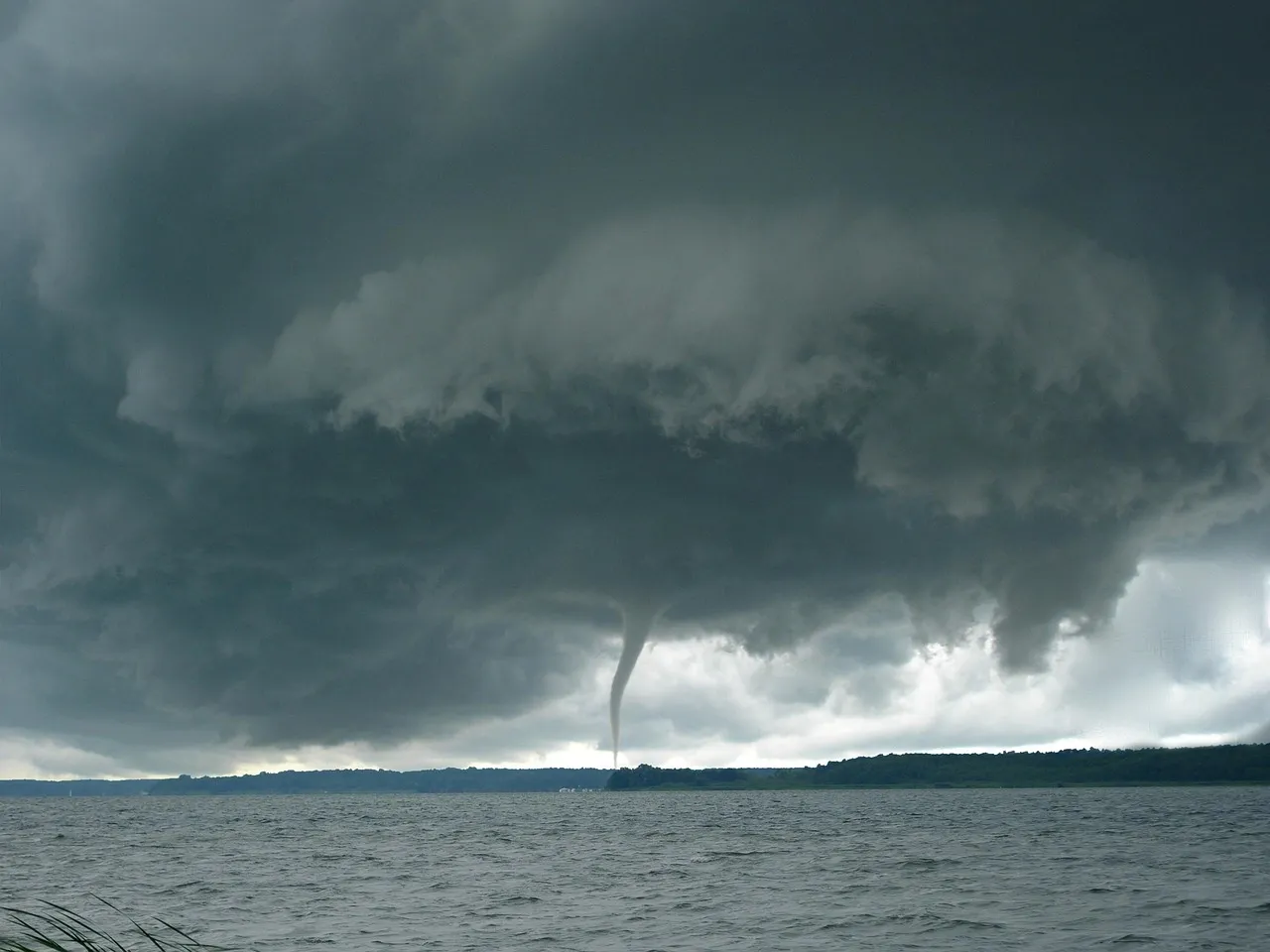
Over the past few weeks, much of the southern United States has experienced severe thunderstorms, damaging winds, and tornadoes. Not surprisingly, RV forums have been filled with questions about what to do when bad weather threatens.
Watch the Weather Before You Leave
When you’re traveling, keep an eye on the weather along your entire route, not just where you are.
Today’s weather apps make it easy to monitor storms hours before they reach you.
If forecasts are calling for strong winds or severe thunderstorms, especially across the Plains states, consider changing your route or simply pulling off the road for a while. A leisurely lunch or coffee break in a small town is far better than fighting dangerous crosswinds.
We’ve all seen videos of RVs and even semi-trucks being blown over by strong wind gusts.
No destination is worth taking that risk.
If you’re ever caught in the path of a tornado while traveling and have no access to a sturdy shelter, leave your vehicle immediately. Seek the lowest ground available, such as a ditch, lie flat, and protect your head. Never try to ride out a tornado in your RV, and don’t seek shelter under a highway overpass or bridge. Those structures can actually increase wind speeds and become even more dangerous.
Our Weather Watcher
Pat has become our official weather watcher.
Whether we’re traveling in the RV or riding our motorcycle, she constantly monitors weather radar and watches for approaching storms.
More than once, she’s suggested getting off the road before bad weather reached us.
One trip through Indiana really proved the value of that habit.
Pat noticed on the radar that we were headed directly toward the most intense part of a storm. She spotted a small town just a couple of miles ahead, so we pulled into a McDonald’s to take a break and wait it out.
As we parked the motorcycle, we noticed a storm spotter vehicle in the parking lot. Moments later, the spotters hurried off, and just as we walked inside, the community tornado sirens sounded and our phones issued tornado warnings.
Later we learned that a small tornado had passed only a couple of miles from where we were.
That experience reinforced something we’ve always believed:
A short delay is far better than driving into dangerous weather.
Once You’re at the Campground
Your weather awareness shouldn’t stop when you arrive.
Just as you check the forecast at home, make it part of your daily camping routine.
When we check into a campground, one of my first questions is:
“Where is the storm shelter?”
I also like to know whether the area has outdoor warning sirens nearby.
Our phones are set to receive emergency weather alerts, and we use more than one weather app so we’re not relying on a single source of information. We also carry a NOAA weather radio as an added layer of protection.
Prepare Before Bedtime
Every evening, I spend a few minutes securing the campsite.
I assume it’s going to rain overnight.
Chairs are put away or secured, loose items are stored, and anything I don’t want getting wet is brought inside.
It usually takes less than five minutes, but it can save a lot of frustration if a storm moves through during the night.
Learn a Little About Weather
Recently, I completed a SKYWARN Spotter training course.
I would recommend it to anyone who spends time outdoors.
The classes are offered both online and in person, are usually free, and only take a couple of hours to complete.
I’m not planning to become a storm chaser, but the course taught me how to recognize the signs of severe thunderstorms, hail, damaging winds, and tornado development.
Combined with a good weather radar app, that knowledge helps me make better decisions when we’re on the road.
Final Thoughts
One thing I’ve learned over the years is that the weather doesn’t care about your vacation plans.
The best thing you can do is stay informed, stay flexible, and never hesitate to delay your travel if severe weather is approaching.
The campground, the scenic overlook, and the next destination will still be there tomorrow.
Getting there safely is what matters most.
Enjoy Rick's Ramblings?
If you found this post helpful or interesting, subscribe to receive an email when new posts are published.