Truck Squat
Don’t Ignore Truck Squat
One topic that doesn’t get discussed nearly enough is truck squat. If you tow an RV, it’s something you should pay close attention to because it directly affects how safely your tow vehicle handles.
For this article, I’m assuming you’ve already done your homework and purchased a tow vehicle that is properly rated for your RV. If your trailer exceeds your truck’s towing or payload capacity, you have a problem that needs to be corrected before you head down the road.
Every truck and RV has weight ratings posted on information labels. Take the time to understand them. They aren’t suggestions—they’re there to help keep you and everyone else on the road safe.
What Is Truck Squat?
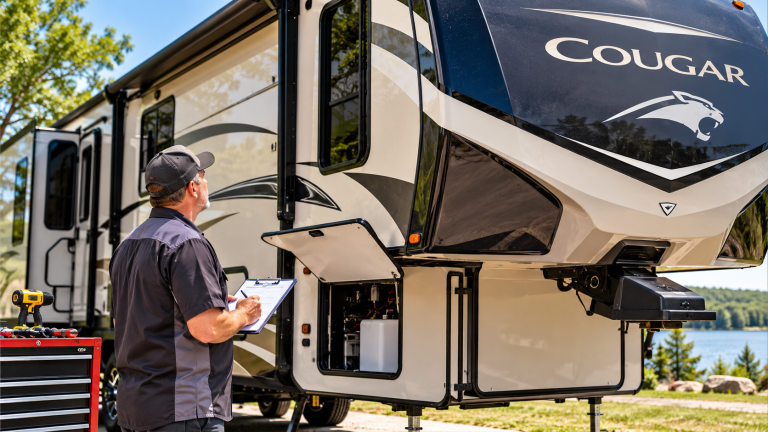
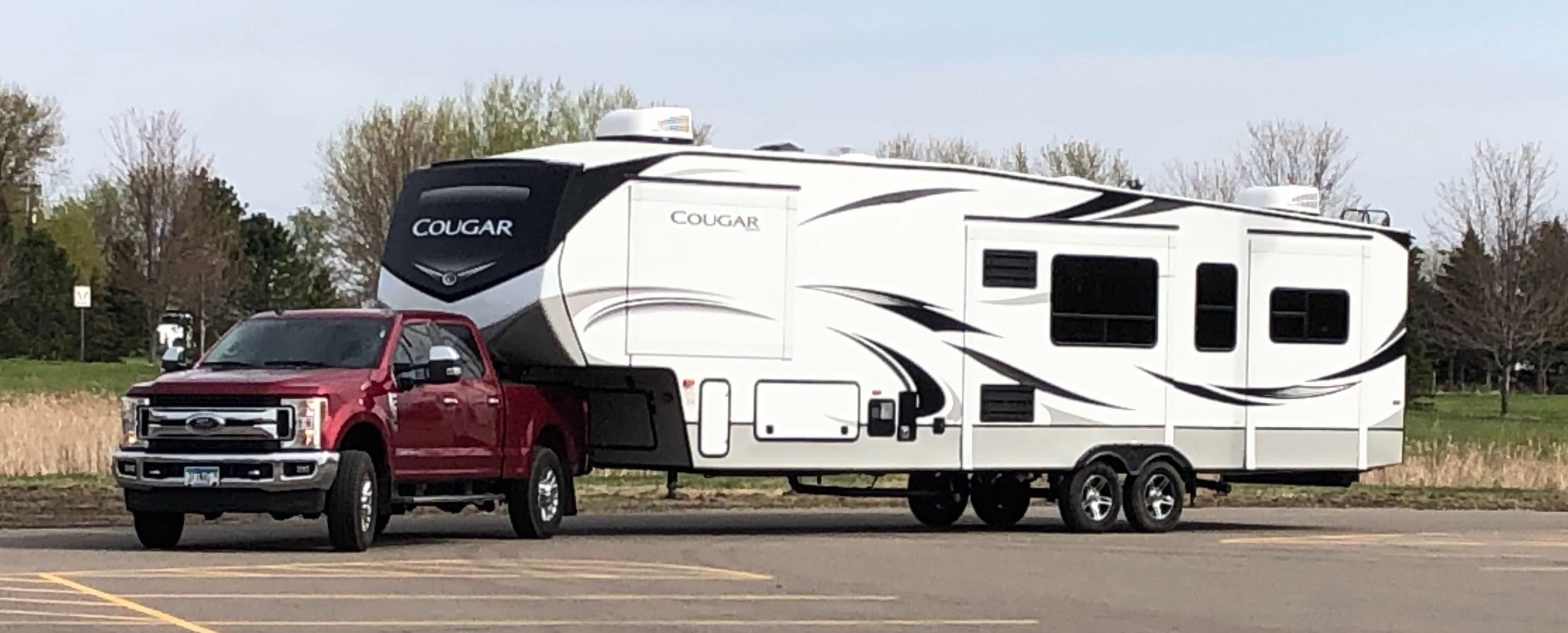
We tow our 39-foot Keystone Cougar fifth wheel with a Ford F-350 diesel. The truck’s towing capacity exceeds the Gross Vehicle Weight Rating (GVWR) of our trailer.
The first time we hooked up, I noticed the rear of the truck settled a little lower than normal. It wasn’t dramatic, but it was noticeable.
My first thought was, “No big deal.”
I was wrong.
A small amount of squat is normal when you place weight on the hitch. The problem comes when the rear of the truck settles enough to lift weight off the front axle.
When that happens, your steering, braking, and overall vehicle handling can all be affected.
Why It Matters
As the rear of the truck drops, the front end rises.
That reduces the amount of weight pressing the front tires onto the road. With less weight on the steering axle, the tires have less traction.
Even though our truck only squatted about three inches, I immediately noticed the steering felt lighter.
At first, that might seem like a good thing.
It’s not.
That lighter steering is actually telling you the front tires aren’t gripping the road as firmly as they should. Reduced traction can affect steering response, increase stopping distances, and make the truck more susceptible to losing traction on wet pavement.
Hydroplaning is frightening enough in a passenger vehicle. When you’re towing a large RV, it’s even more important to maintain as much control as possible.
How to Correct It
Fortunately, there are several ways to reduce excessive squat.
One of the easiest is to redistribute the weight you’re carrying. Moving heavier items closer to or slightly behind the trailer axles can sometimes make a noticeable difference.
If you tow a travel trailer, a properly adjusted weight-distribution hitch is often the best solution. These hitches transfer some of the hitch weight back onto the front axle of the tow vehicle, improving steering and handling.
Since we tow a fifth wheel, we chose a different approach.
We installed rear air bags on our truck.
The system cost around $700, and for us it was money well spent.
Surprisingly, it only takes about 8 PSI in the air bags to bring our truck back to a level stance when the trailer is connected.
The difference in how the truck feels is remarkable.
The steering is firmer, the truck feels more planted, and I have much greater confidence behind the wheel.
Make It Part of Your Pre-Trip Inspection
Before every trip, take a moment to step back and look at your truck and trailer after they’re hooked up.
Does the combination sit level?
Does the rear of the truck appear excessively low?
Do the headlights point noticeably upward?
If something doesn’t look right, investigate it before you leave.
A properly matched and properly adjusted tow vehicle will not only tow better, it will also make every mile safer and more enjoyable.
After all, you’re not just protecting your truck and RV. You’re protecting the people riding with you and everyone sharing the road.
Enjoy Rick's Ramblings?
If you found this post helpful or interesting, subscribe to receive an email when new posts are published.