Getting to Know Your RV
Do Your Homework Before You Hit the Road
One thing that never ceases to amaze me is the variety of questions posted in RV social media groups. They cover everything from basic maintenance and troubleshooting to campground recommendations and travel destinations.
These groups can be an excellent source of information, but like anything on the internet, you have to sort through the advice. Some of it comes from experienced RVers who are eager to help, while other responses may not apply to your particular rig or situation.
One thing I notice fairly often is new RV owners asking very basic questions about the operation of their new camper. Everyone has to start somewhere, but it reminds me how important it is to spend some time learning about your RV before heading out on that first big trip.
When Pat and I started talking about buying an RV, we knew we would be making a significant investment. We wanted to make the best decision we could, so we spent months doing our homework. We researched different types of RVs, talked about the style of camping we wanted to do, visited dealerships, and spoke with friends who already owned RVs. We asked what they liked, what they wished they had done differently, and what they would look for if they were buying again.
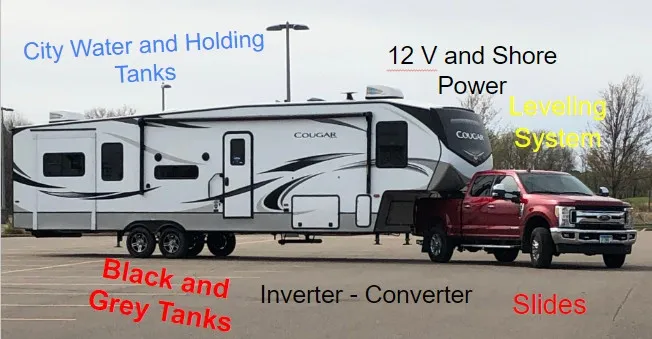
Although I had owned a tent trailer years earlier, today’s RVs are much more sophisticated. Modern campers have electrical systems, plumbing, slide-outs, leveling systems, solar preparation, and many other features that require some understanding to operate and maintain properly.
We eventually decided to purchase a new fifth wheel, hoping to start with a solid foundation and learn everything we could about it.
The learning process actually began before we took delivery.
As part of the purchase, we scheduled the dealership’s orientation. It quickly became obvious that our guide couldn’t answer some of our questions about the RV’s systems. We asked the dealership to correct a few items we had found and requested a second walkthrough before completing the purchase.
While waiting, I started researching on my own and found many of the answers in the owner’s manuals and through Keystone’s customer support. The second walkthrough was much better, although I still managed to ask a question about the factory solar wiring that the technician wasn’t able to answer.
Once we took possession of the trailer, we didn’t head off on a cross-country adventure.
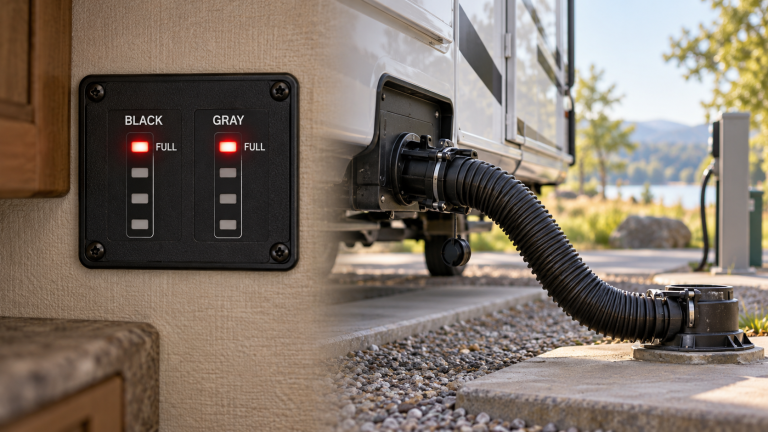
Instead, we spent a weekend at a nearby campground using every system we could. We extended the slides several times, operated the leveling system, filled and emptied the holding tanks, tested the appliances, and learned how everything worked. We also started creating our own setup and departure checklists.
Looking back, that “practice weekend” may have been one of the smartest things we did.
If you’re considering your first RV, or upgrading to a larger one, here are a few things worth thinking about before you buy:
- Discuss the type of camping you plan to do. Weekend trips may require a different RV than extended travel or full-time living.
- Research dealerships as carefully as you research RVs. Read reviews and talk with both the sales and service departments. A good dealership is worth driving a little farther to use.
- Buy a size that fits your camping style. Larger RVs are comfortable but may limit the campgrounds you can visit.
- Think about what you’ll want to bring along, such as bicycles, kayaks, or a motorcycle, and make sure your RV has room for them.
- Verify that your tow vehicle is capable of safely towing the RV. Don’t rely solely on a salesperson. Check your vehicle’s towing capacity, payload, and hitch ratings yourself.
- Be honest about your comfort level behind the wheel. Larger RVs take practice. My wife originally wanted nothing to do with towing our fifth wheel. Today she’s an excellent relief driver and handles it with confidence.
- If possible, spend a night or two in your new RV before taking a major trip. Some dealerships even allow this, giving you time to discover questions while help is still nearby.
- Read your owner’s manuals. Most of the answers to routine questions are already there, straight from the manufacturer.
- Join an owners’ forum for your specific brand or model. Talking with people who own the same RV is often one of the best ways to learn.
- Keep your manuals and important reference information with the RV. Problems rarely happen in your driveway.
One post I recently read really drove this point home. A couple had just purchased a fifth wheel and planned to begin full-time RVing within a month. They wanted to buy a surge protector but didn’t know whether their RV required a 30-amp or 50-amp model.
There’s nothing wrong with asking questions. We’ve all been beginners. But learning some of the basics before your first trip can make the experience much less stressful and much more enjoyable.
We’ve learned a tremendous amount since buying our Cougar in 2020. Fortunately, it has been a reliable RV, and many of the small issues we’ve encountered were easy to solve because we understood how the systems worked. Catching small problems early often prevents them from becoming much larger and more expensive repairs later.
Owning an RV is a wonderful way to travel and make memories. The more time you spend learning about your rig before you head down the road, the more confidence you’ll have when something unexpected happens.
A little preparation goes a long way toward making your camping adventures safer, easier, and a lot more enjoyable.
Enjoy the journey.
Enjoy Rick's Ramblings?
If you found this post helpful or interesting, subscribe to receive an email when new posts are published.