The Power of “What If?”
Years ago, a trip to the Minnesota State Fair planted a seed that has influenced how my family and I approach life ever since. It’s a practice that can easily be applied to RVing. Let me explain.
We had taken our family to the Minnesota State Fair when my youngest daughter was five years old. As we worked our way through the crowds, we came across the Minnesota Department of Transportation (MnDOT) display featuring their large snowplows.
They had a ramp that allowed children to walk up and look inside the cab. Of course, my youngest wanted to see what was up there. I told her to go ahead, and she walked up the ramp.
I became distracted by a sign outlining upcoming road construction projects. It couldn’t have been more than a minute or two, but when I looked for my daughter, she was nowhere to be seen.
I loudly called her name, and she responded, appearing from behind the very sign I had been reading.
As she walked toward me, she held something out to give me. I asked what she had, and she replied, “He told me to give this to you.”
I was furious. I was upset with myself for losing sight of her, upset with her for not following our stranger-danger rules, and upset that someone had given my daughter something without our permission.
Mostly, I was mad at myself. Being in law enforcement, I understood the dangers facing children in crowded places.
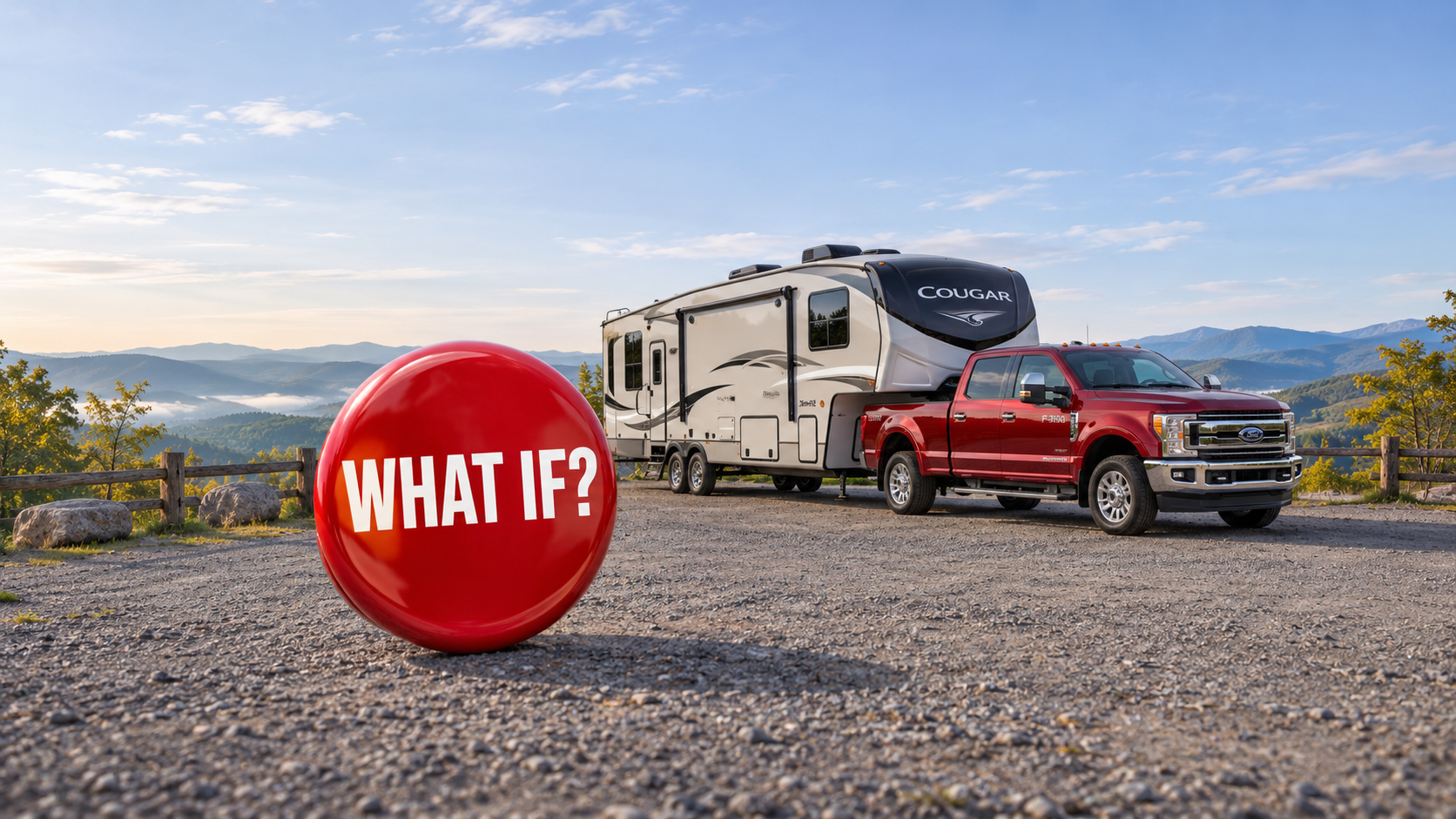
I looked at what she had been given. It was a simple red button, the kind you pin on your shirt. All it said was:
WHAT IF?
It felt like a truck had hit me. Even after all these years, I still feel it when I think about that moment.
What if that person had taken my child? In a crowd that size, they could have easily disappeared.
I asked my daughter to show me who had given her the button. She took me around the sign, where a MnDOT employee wearing a safety vest and hard hat stood watching us. When I looked at him, he nodded, smiled, and went about his business.
Point made, and then some.
Applying the What Ifs to My Law Enforcement Career.
I was a street officer at the time, and the incident bothered me enough that when I went to work that evening, I told my partner what had happened.
We had been working together for less than a year, but that partnership would last many wonderful and safe years. I credit some of our success and safety to the conversations that began with that simple red button.
We started discussing how the What Ifs could apply to our work as police officers.
After calls, we would discuss what went right, what went wrong, what we could have done better, and whether we could have prevented certain things from happening.
During those long, slow shifts, we talked through all sorts of situations we might encounter and how we would respond.
It paid off. When confronted with situations that escalated quickly, and they certainly did, we were better prepared to react. We understood each other, had discussed our options, and could make decisions under pressure because we had already considered many of the possibilities.
Bringing the What Ifs Home
I started practicing the What Ifs at home with my children, often casually during dinner as we discussed their day.
If they told us about a fight at school or something unusual that had happened, we would talk about the situation and explore what they could do if they found themselves in similar circumstances.
At times, it became almost a game. It was never intended to frighten them. The goal was to help them recognize that they had options and could make decisions rather than finding themselves unsure of what to do.
When my children were in high school, several teachers commented during parent-teacher conferences about how well they conducted themselves in class when problems arose.
But I knew our discussions had truly taken root one evening when one of our daughters had to work much later than usual.
She called to let us know she would be working well past closing time. Knowing how deserted the mall parking lot could be, I started asking who else was there.
She told me not to worry.
She had already done the What Ifs, and her coworkers would be walking her to her car.
That was a proud moment for me as a parent.
Applying the What Ifs to Everyday Life
Having spent 25 years in law enforcement, I firmly believe that practicing the What Ifs better prepares us to respond to unexpected situations.
This way of thinking can be applied to virtually every aspect of life, including business, travel, and personal safety.
When you have already considered a situation and your possible responses, you are often better equipped to make sound decisions under pressure. That ability can sometimes mean the difference between a good outcome and a bad one.
Do you know where the exits are when you enter a building? Have you thought about what you would do if a fire broke out? What if you became separated from your family in a crowded place?
Your response doesn’t have to involve confronting someone or getting involved. Sometimes leaving the area is the smartest thing you can do.
The goal is to develop the ability to think clearly and respond appropriately when things don’t go as planned.
Applying the What Ifs to RVing
This type of thinking is particularly valuable when RVing.
Consider a few examples:
- What if you experience a tire blowout while traveling down the highway?
- What if your slide-out stops working while you’re preparing to leave a campground?
- What if your truck breaks down in an area without cellular service?
- What if severe weather approaches your campground?
- What if you wake up to a smoke alarm in your RV?
- What if your travel companion becomes ill or injured?
- What if your trailer catches fire while you’re towing it?
Thinking through these situations ahead of time can also help you determine what tools, spare parts, and emergency equipment you should carry.
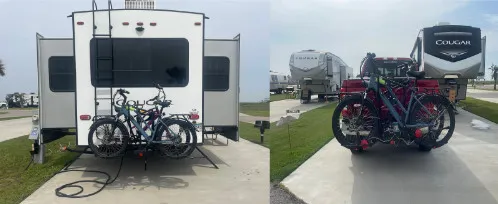
On one of our trips, Pat and I drove past the aftermath of a fire involving a truck towing a fifth wheel. The fire had been extinguished, but the fifth wheel was severely burned, and the rear of the truck had sustained considerable damage. The two were still connected.
By the time we reached our destination that day, we had discussed what we would do if something similar happened to us.
We talked about how we would safely stop, what each of us would do, who would call 911, and how we would get ourselves away from the danger.
We also discussed the possibility of saving the truck, but we recognized the tremendous risks involved in attempting to disconnect a burning trailer, particularly with propane cylinders nearby.
No truck or RV is worth risking our lives. If there is a fire, our safety comes first.
The important thing is that we have discussed the situation and have a shared understanding of how we would respond.
Make It a Habit
Do the What Ifs with your family and your traveling companions.
It may feel awkward at first, but before long, it becomes second nature. It isn’t about living in fear or constantly expecting something bad to happen. It’s about being prepared when something does.
That simple red button I encountered at the Minnesota State Fair all those years ago taught me a lesson that has stayed with me throughout my life. I still have that button.
Think ahead. Be prepared. Know your options.
You never know when asking yourself “What if?” might make all the difference.
Enjoy Rick's Ramblings?
If you found this post helpful or interesting, subscribe to receive an email when new posts are published.