
Take Your Propane Seriously
If You Smell Propane, Don’t Ignore It
Almost all of the tips I share come from our own experiences since buying our fifth wheel.
Thankfully, this isn’t one of them.
Unfortunately, every year people are injured—or worse—because of propane leaks and accidents involving RVs.
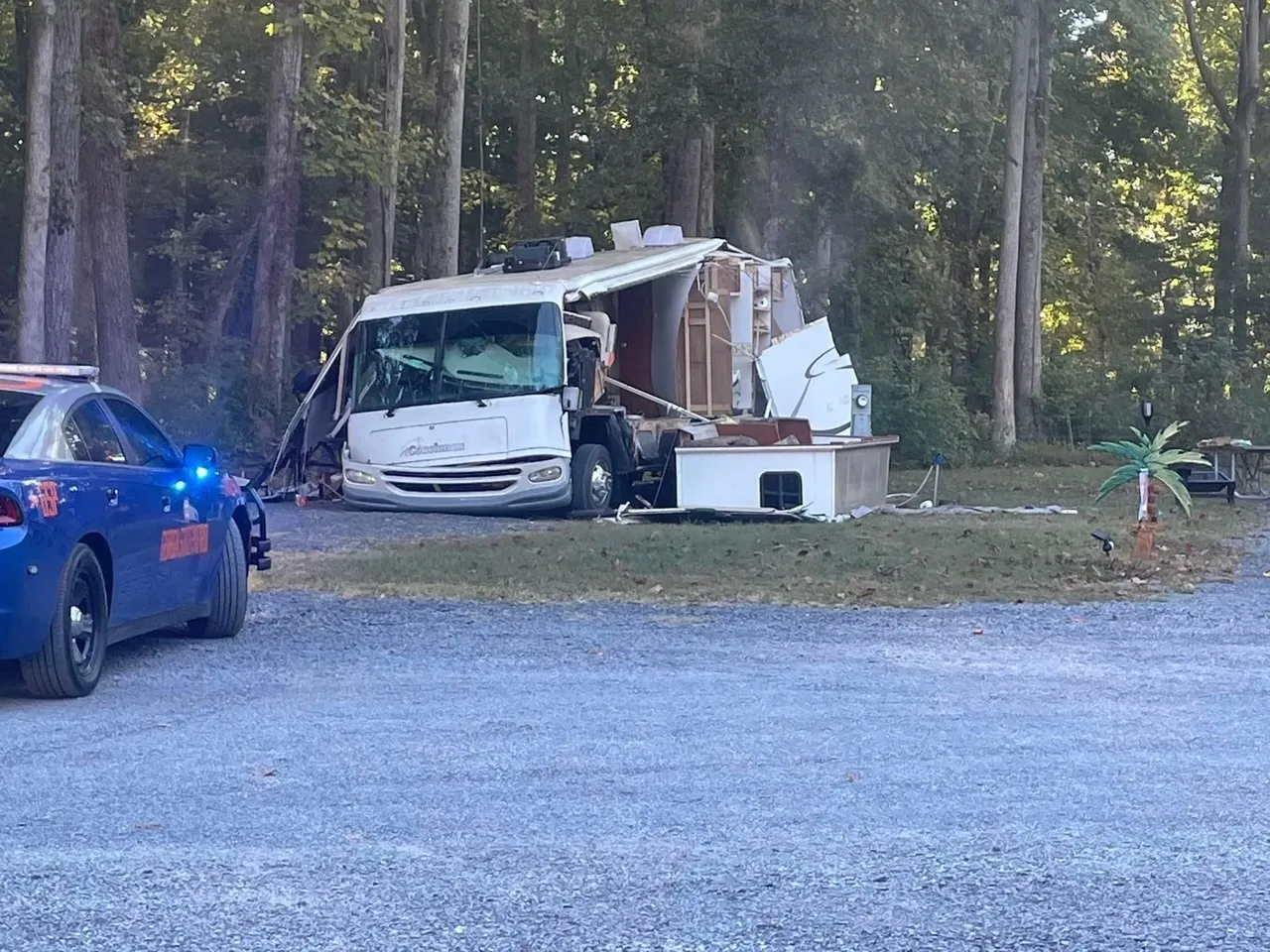
Recently, I read about a couple who were seriously injured when their Class A motorhome exploded with them inside. From what was reported, they were having trouble getting the stove to light. While they were trying to figure out the problem, propane continued to escape. When they attempted to light it again, the accumulated gas ignited, causing an explosion that destroyed the RV and sent both of them to the hospital with severe burns.
Whether every detail of the story is accurate or not, the lesson is the same.
If you smell propane, don’t ignore it.
Trust Your Nose—or Someone Else’s
The first thing to do if you smell propane is turn off the supply at the propane cylinders if it is safe to do so.
Then allow the area to ventilate before attempting to use any propane appliance again.
Don’t keep trying to light a stove, furnace, or water heater if you suspect there’s a leak.
One thing I’ve learned over the years is to trust the people around you.
My wife, Pat, has a much better sense of smell than I do.
Since having COVID, it takes a much stronger odor for me to notice something.
I learned that lesson the hard way.
One day Pat mentioned that she thought something had died somewhere in our finished basement.
To humor her, I looked around but couldn’t find—or smell—anything.
The next day she mentioned it again.
Still nothing.
A couple more days passed before I finally caught the faintest odor.
I started another search and eventually found the culprit.
Our basement refrigerator had lost power.
When I opened the freezer door, I immediately knew what Pat had been smelling for days.
She was right all along.
The experience reminded me that if someone says they smell something unusual, it’s worth taking seriously—even if you can’t smell it yourself.
The same applies to propane.
Inspect Your Propane System
Your propane system deserves regular attention.
Inspect the hoses for cracks or signs of wear.
Check fittings and connections periodically.
Travel, vibration, temperature changes, and age can all take their toll on propane components.
Rubber hoses and O-rings don’t last forever.
If something looks questionable, replace it.
It’s inexpensive insurance.
Check for Leaks
There are several simple ways to check your propane system.
Combustible gas detectors are readily available and relatively inexpensive.
Leak-detection spray works well, and even a mixture of dish soap and water can help identify leaks by producing bubbles where gas is escaping.
If you aren’t comfortable performing these checks yourself, have your RV serviced by a qualified technician.
Don’t Ignore Warning Signs
If your stove, furnace, water heater, or another propane appliance isn’t operating normally, don’t assume it will fix itself.
Turn the appliance off and determine why it isn’t working before trying to use it again.
Some problems are simple.
Others require professional repair.
When it comes to propane, it’s always better to be cautious.
Final Thoughts
Propane is a safe and dependable fuel when the system is maintained and used properly.
The key is paying attention.
Inspect your propane system regularly.
Replace worn hoses and fittings.
Investigate unusual odors.
And never ignore the smell of propane.
One Last Thought
The best camping stories are the ones you tell around the campfire.
A few minutes spent inspecting your propane system today can help make sure your next story is about the trip—not an accident.