
Route Planning
Plan the Trip Before You Leave
Most of us have heard about the Barkers, the older couple who became stranded while traveling in their RV in 2022. Tragically, the husband lost his life after leaving the RV to seek help.
I’m not going to critique their decisions or the events that followed. There has been plenty written about that already.
Instead, their story got Pat and me talking about our own travel plans and how easily a great adventure can turn into a dangerous situation if you’re not prepared.
Don’t Just Follow the GPS
We’ve spent many years traveling long distances on motorcycles, both together and with my longtime riding partner and friend, Bob. Many of those trips took us through the western United States, where it’s not unusual to drive 75 miles or more without seeing a town, gas station, or another vehicle.
Those trips taught us an important lesson.
Plan your route before you leave.
I’m always surprised when people tell me they simply enter a destination into their GPS, hit “Start,” and go without giving the route a second thought.
A GPS is a wonderful tool, but it doesn’t always know what’s best for your particular vehicle.
Look Beyond the Shortest Route
Before every major trip, we review our route using several different resources.
For example, on our upcoming trip from Minnesota to Yellowstone, our GPS wanted to take us through the northeast entrance of the park by way of Cooke City.
It’s a beautiful drive.
It’s also steep, winding, and filled with switchbacks.
That may be a wonderful motorcycle road, but towing a large fifth wheel through it wasn’t something I wanted to do.
By spending a little time researching alternate routes, we found a safer and more comfortable way to reach our destination.
If you’re towing an RV, it’s also worth using a trucker’s road atlas or an RV-specific navigation system that identifies low bridges, weight restrictions, and other obstacles that can affect larger vehicles.
A little planning can prevent a long detour—or a dangerous situation.
Let Someone Know Your Plans
One of the simplest things you can do is tell someone where you’re going.
Before leaving, share your planned route and let a family member or friend know where you expect to spend each night.
When you arrive for the evening, send a quick text or make a brief phone call.
It only takes a minute, but if something unexpected happens, someone will know where to begin looking.
Technology Is Helpful…But Don’t Rely on It Completely
Today’s technology gives us some great travel tools.
Location-sharing apps allow family members to see where you are, and smartphone navigation has made traveling easier than ever.
But remember that technology isn’t perfect.
Cell service disappears in many remote areas.
Phones lose power.
Electronics fail.
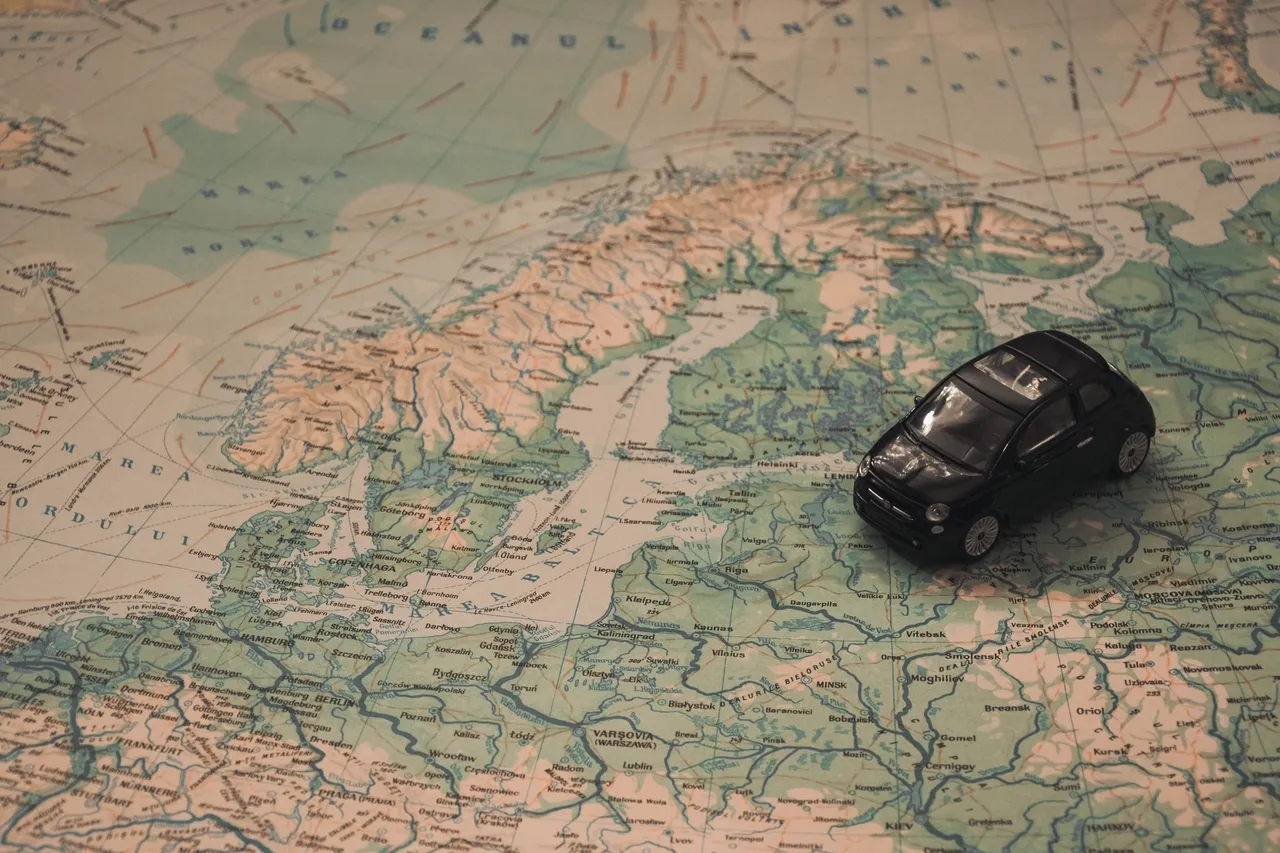
That’s one reason I still carry paper maps.
They don’t need batteries, they don’t depend on a signal, and they’ll still work when your phone doesn’t.
Scout the Route When You Can
Recently, I rode our Gold Wing to Florida ahead of our winter trip. It was actually less expensive than shipping the motorcycle.
One advantage was that I was able to drive much of the same route we’ll later travel with the truck and fifth wheel.
I found a few busy metropolitan areas that I’d like to avoid, giving me plenty of time to look for better alternatives before we’re towing the RV through them.
Sometimes a little extra planning before the trip makes the journey much more enjoyable.
There Are Plenty of Resources
There are many excellent resources available to help you plan a safe trip.
Truck atlases, state highway websites, mountain driving guides, and RV-specific route planners can all provide information that a standard GPS may not.
The more you know before you leave, the fewer surprises you’ll encounter along the way.
Final Thoughts
No matter how you travel—RV, motorcycle, car, or truck—take a little time to plan before you leave.
Review your route.
Know where you’ll stop each night.
Share your itinerary with someone you trust.
Carry a paper map.
And don’t be afraid to change your plans if road conditions, weather, or construction make another route a better choice.
One Last Thought
The journey is supposed to be part of the adventure.
A few hours spent planning before you leave can make the difference between a stressful trip and one you’ll remember for all the right reasons.